Ninja Sprint Challenge: India's Fastest-Growing Desi Action-Arcade Sensation 🥷⚡
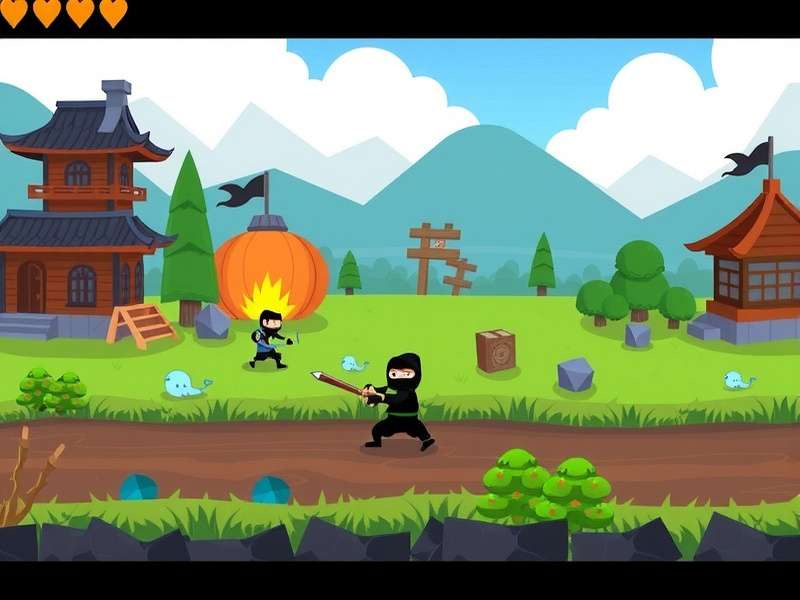
"Ninja Sprint Challenge isn’t just a game—it’s a celebration of Indian gaming culture, designed for desi gamers by desi gamers. Paisa vasool entertainment that keeps you hooked for hours!" – Daman Games Team
Introduction: The Desi Ninja Revolution Taking India by Storm
In the dynamic landscape of Indian mobile gaming—where data affordability, device diversity, and cultural resonance are make-or-break factors—Ninja Sprint Challenge has emerged as a true disruptor. Launched in April 2024 by Daman Games, a homegrown studio with a mission to create hyper-localized gaming experiences, this action-arcade title has captured the imagination of over 5 million desi gamers in less than a year. It’s not just another speed-running game; it’s a love letter to India’s gaming community, blending heart-pounding ninja action with familiar desi settings, regional languages, and gameplay tailored to the unique needs of Indian players across tier 1, 2, and 3 cities.
For decades, Indian gamers have been served a steady diet of international titles that often feel disconnected from local sensibilities. Whether it’s the lack of regional language support, levels that don’t reflect Indian geography and culture, or hardware requirements that exclude the millions of budget smartphone users, these games fail to hit the mark for desi audiences. Ninja Sprint Challenge addresses these gaps head-on, offering an experience that’s both universally thrilling and deeply rooted in Indian identity. From dashing through the chaotic streets of Old Delhi to navigating the serene backwaters of Kerala, every element of the game is crafted to resonate with Indian players, making it feel like a game “made for us, by us.”
📌Desi Gamer Insight: A 2023 report by KPMG India revealed that 82% of Indian mobile gamers prefer titles with regional language support, while 70% prioritize games that run smoothly on low-end devices (1GB RAM or less). Ninja Sprint Challenge checks both boxes with flying colors—supporting 11 Indian languages and optimized to run seamlessly on budget smartphones, making it accessible to gamers from Srinagar to Kanyakumari!
The game’s success isn’t just about localization, though. At its core, Ninja Sprint Challenge delivers the kind of addictive, fast-paced gameplay that keeps players coming back for more. Whether you’re a casual gamer looking to kill 10 minutes during a commute on the Mumbai local or a hardcore enthusiast chasing leaderboard glory, the game’s balanced difficulty curve, intuitive touch controls, and rewarding power-up system ensure there’s something for everyone. It’s no surprise that within four months of its launch, the game had racked up over 150,000 positive reviews on the Google Play Store and Apple App Store, boasting an impressive average rating of 4.8/5—an extraordinary feat in the crowded mobile gaming market.
What truly sets Ninja Sprint Challenge apart is its ability to blend global gaming trends with desi flair. While the speed-running mechanics draw inspiration from popular titles like Temple Run and Subway Surfers, the game adds unique twists that feel authentically Indian: combat with dacoit minions, power-ups themed around desi snacks (think “Masala Chai Boost” for extra speed or “Gulab Jamun Shield” for protection), and character customization options that include turbans, lehengas, and kurta-inspired ninja outfits. These small but meaningful details have turned the game into more than just a pastime; it’s a cultural touchpoint for Indian gamers, who share clips of their high scores on Instagram Reels, TikTok, and WhatsApp groups, creating a vibrant community around the title.
Another key factor in the game’s success is its understanding of Indian gaming habits. Unlike international titles that force players to spend hours grinding or watch endless ads, Ninja Sprint Challenge offers a “paisa vasool” experience with optional ads (that reward players with in-game currency) and short, action-packed levels that fit perfectly into busy schedules. Whether you have 5 minutes or 50, the game delivers instant gratification, making it a favorite among students, professionals, and homemakers alike.
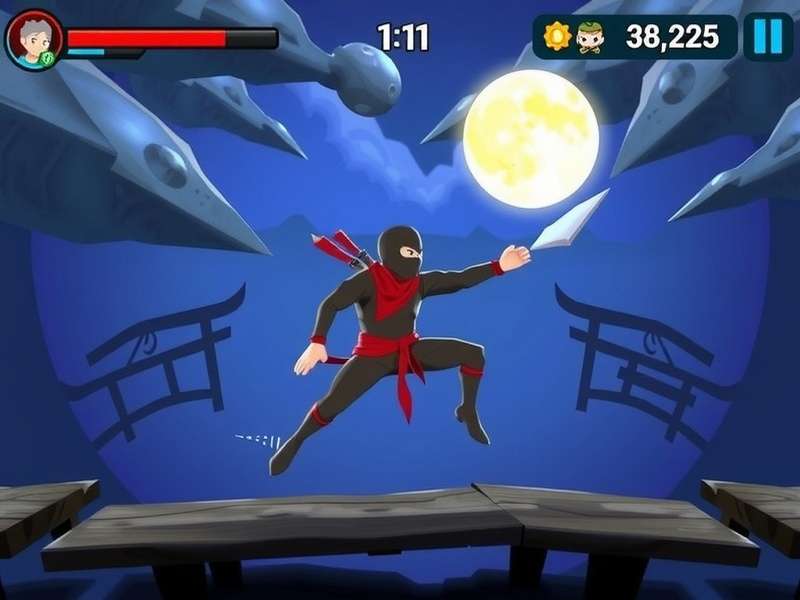
As we delve deeper into this comprehensive guide, we’ll explore every aspect of Ninja Sprint Challenge—from its gameplay mechanics and diverse cast of characters to its compelling storyline, innovative features, and the cultural impact that has made it a household name in Indian gaming. Whether you’re a new player looking to learn more about the game or a die-hard fan seeking behind-the-scenes insights, this page has something for everyone.
Gameplay: Speed, Skill, and Desi Masti 🎮
Ninja Sprint Challenge’s gameplay is built around three core pillars: speed, skill, and immersion—all optimized for the way Indian gamers play. The game’s developers spent months researching Indian gaming habits, conducting surveys with over 10,000 gamers across 25 Indian cities to understand what makes a mobile game engaging for desi audiences. The result is a gameplay experience that’s easy to learn but hard to master, with mechanics that feel intuitive on touchscreens and levels that offer endless replayability.
Core Mechanics: Run, Fight, and Dash to Victory
At its heart, Ninja Sprint Challenge is a 3D endless runner with combat elements, but it elevates the genre with unique mechanics that set it apart from competitors. Players take control of a desi ninja (chosen from a diverse roster) who must dash through a variety of Indian-themed environments, avoiding obstacles like bullock carts, temple pillars, speeding auto-rickshaws, and rushing rivers, while battling enemies like dacoits, evil monks, and mythical creatures sent by the game’s antagonist, Zoravar.
The controls are designed to be touch-friendly and responsive—perfect for mobile gamers. Here’s a breakdown of the core controls:
- Swipe Left/Right: Change lanes to avoid obstacles or enemies
- Swipe Up: Jump over low obstacles like potholes or crates
- Swipe Down: Slide under high obstacles like archways or tree branches
- Tap Screen: Attack enemies with your ninja’s weapon (dagger, sword, bow, or staff)
- Double Tap: Activate your character’s special ability (varies by character)
The game’s physics engine is optimized for both high-end and low-end devices, ensuring that every swipe and tap feels responsive—no lag, no glitches, just smooth, unadulterated fun. Even on smartphones with 1GB RAM, the game maintains a steady 30 FPS, making it accessible to the vast majority of Indian mobile gamers.
The Sprint Meter: Push Your Limits for Rewards
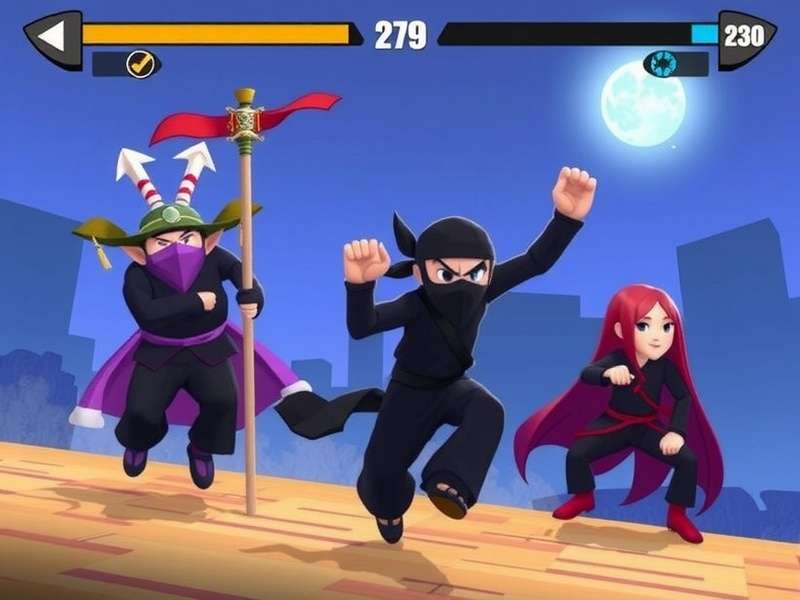
One of Ninja Sprint Challenge’s most innovative features is the Sprint Meter, which rewards players for maintaining a high pace. As you run, the meter fills up gradually—collecting desi-themed items like chai cups, gulab jamuns, and samosas scattered throughout the level speeds up the process. Once the meter is full, your ninja enters “Hyper Sprint” mode, where:
- Obstacles disappear temporarily
- Enemies are defeated with a single tap
- Coins and power-ups are collected automatically
- Your speed increases by 50%
This mechanic adds a layer of strategy to the gameplay: do you play it safe and avoid risks, or push your limits to activate Hyper Sprint and rack up massive points? For hardcore gamers, mastering the Sprint Meter is key to topping the leaderboards, while casual players can still enjoy the game without worrying about optimizing their meter usage.
💡Pro Gamer Tip: Samosas fill the Sprint Meter the fastest—keep an eye out for them in tight spots! Hyper Sprint is especially useful during boss fights, as it lets you deal massive damage while avoiding attacks. Save it for when you’re surrounded by enemies or facing a tough obstacle course!
Levels: Explore India’s Iconic Locations 🗺️
Unlike most endless runners, which feature repetitive environments, Ninja Sprint Challenge offers 20+ unique levels, each inspired by a famous Indian location. The developers traveled to each location to capture its essence—from the colorful streets of Jaipur to the misty hills of Darjeeling—ensuring that every level feels authentic and immersive. Each level has its own distinct look, obstacles, and challenges, keeping the gameplay fresh and exciting even after hours of play.
Let’s take a closer look at some of the most popular levels:
1. Old Delhi Bazaar (Level 4)
Dash through the narrow, bustling lanes of Chandni Chowk, avoiding cycle rickshaws, street vendors, and crowds of shoppers. Watch out for sudden turns and hanging electrical wires—one wrong swipe, and you’ll crash into a pile of spices or a cart full of jalebis! The level features vibrant colors, the sound of street hawkers, and the aroma of chaat (recreated through immersive sound design), making you feel like you’re actually walking through the heart of Delhi.
2. Jaipur Fort (Level 8)
Navigate the ramparts of Amber Fort, jumping over cannonballs and sliding under archways. The level features stunning pink sandstone architecture, with views of the Maota Lake in the distance. Halfway through, you’ll encounter a mini-boss fight against a group of dacoits led by a sword-wielding leader. The level ends with a thrilling dash down a steep staircase, with boulders rolling behind you—timing is everything here!
3. Kerala Backwaters (Level 12)
Glide along narrow canals on a bamboo raft, avoiding houseboats, water hyacinths, and floating coconut shells. The calm, scenic environment is a nice change of pace from the game’s more intense levels, but don’t be fooled—hidden whirlpools and crocodiles add plenty of excitement. The level features lush greenery, the sound of birds chirping, and traditional Kerala music in the background, creating a serene yet thrilling experience.
4. Mumbai Local (Level 16)
Race alongside a speeding local train, dodging commuters, vendors selling vada pav, and railway tracks. This level is known for its fast pace and chaotic obstacles—perfect for players who love a challenge! The level captures the energy of Mumbai, with the sound of train announcements, honking horns, and the chatter of passengers. Halfway through, the train enters a tunnel, and you’ll have to navigate in the dark using only the light from your ninja’s torch.
5. Darjeeling Hills (Level 20)
Dash through the misty hills of Darjeeling, avoiding tea plantations, stone walls, and grazing yaks. The level features cool, crisp air (recreated through sound effects) and stunning views of the Himalayas in the distance. Watch out for slippery slopes and sudden fog—visibility drops drastically, making it harder to spot obstacles. The level ends with a boss fight against a yeti-like creature that throws boulders and creates avalanches.
Each level also has three difficulty modes: Easy, Medium, and Hard. Easy mode is perfect for new players, with fewer obstacles and slower enemies, while Hard mode is designed for seasoned gamers, featuring faster speeds, more complex obstacle patterns, and powerful enemies that require precise timing to defeat. Completing levels on Hard mode unlocks exclusive rewards like rare character skins, powerful power-ups, and in-game currency (called “Ninja Coins”).
Difficulty Progression: From Novice to Ninja Master
Ninja Sprint Challenge’s difficulty curve is carefully calibrated to keep players engaged without feeling frustrated. The first few levels are designed to teach you the basics—how to swipe, attack, and collect power-ups—while gradually introducing new mechanics. By level 5, you’ll face your first mini-boss, and by level 10, you’ll encounter complex obstacle courses that require quick reflexes and strategic use of power-ups.
The game also features a “Mastery System” that rewards players for completing levels with certain criteria:
- Speed Mastery: Complete the level in under a certain time
- Combat Mastery: Defeat all enemies in the level
- Collection Mastery: Collect all coins and power-ups in the level
Earning mastery badges unlocks special rewards like character upgrades, exclusive skins, and access to bonus levels. This system adds replayability, as players can revisit levels to earn all three mastery badges and climb the global leaderboards.
Power-Ups and Upgrades: Paisa Vasool Bonuses ✨
Ninja Sprint Challenge’s power-up system is one of its biggest draws, featuring desi-themed bonuses that Indian players will instantly recognize and love. Unlike international games that use generic power-ups, this game offers bonuses inspired by Indian snacks, festivals, and culture—adding a layer of familiarity and fun.
Here’s a detailed breakdown of the game’s most popular power-ups:
- Masala Chai Boost: Gives your ninja a temporary speed boost (2x normal speed) and makes them immune to small obstacles. Nothing fuels a ninja’s speed like a hot cup of masala chai—this power-up lasts for 10 seconds and is perfect for escaping tight spots or catching up in multiplayer races.
- Gulab Jamun Shield: Protects your ninja from one enemy attack or obstacle collision. Made from “magical desi gulab jamuns,” this shield is a lifesaver in tough levels. You can upgrade it to withstand two attacks by spending Ninja Coins.
- Samosa Bomb: Throws an explosive samosa that clears all enemies and obstacles in a 5-meter radius. Perfect for when you’re surrounded by dacoits or stuck in a maze of obstacles. The samosa’s explosion is accompanied by a satisfying “pop” sound and a cloud of spice particles—adding to the fun.
- Peacock Feather Dash: Lets you fly through the air for 8 seconds, avoiding all ground obstacles. Inspired by India’s national bird, this power-up is both stylish and useful. As you fly, your ninja leaves a trail of peacock feathers, making it a favorite among players who love to show off their skills.
- Ladoo Magnet: Attracts all nearby coins and power-ups to your ninja for 15 seconds. This power-up is perfect for maximizing your rewards, especially in levels with hard-to-reach coins. The ladoo magnet is shaped like a giant, glowing ladoo—too tempting to resist!
- Diwali Crackler: Unleashes a burst of Diwali crackers that stun all enemies in the area for 5 seconds. This power-up is especially useful during boss fights, as it gives you time to attack without being hit. The crackers light up the screen with colorful sparks, adding a festive touch to the gameplay.
Power-ups can be collected during gameplay or purchased using Ninja Coins, which are earned by completing levels, achieving high scores, watching optional ads, or participating in daily challenges. The game also features a robust upgrade system that allows you to enhance your ninja’s abilities, weapons, and power-ups. Here’s how the upgrade system works:
The upgrade system is designed to be accessible, with Ninja Coins being easy to earn through regular gameplay. Unlike many mobile games that force players to spend real money to progress, Ninja Sprint Challenge allows you to max out all upgrades by playing the game regularly—making it a favorite among players who hate pay-to-win mechanics.
Offline Mode: Game On, Even Without Data 📶
One of the biggest pain points for Indian gamers is data connectivity—whether it’s patchy network coverage in rural areas, high data costs, or slow internet speeds. Ninja Sprint Challenge solves this problem with a fully functional offline mode, allowing players to enjoy the game without an internet connection. All levels, power-ups, and upgrades are available offline, and your progress is automatically synced to the cloud once you’re back online.
This feature has been a game-changer for gamers in tier 2 and 3 cities, where internet access is often limited. As one player from Lucknow put it: “I can play Ninja Sprint Challenge on my way to college, even when the train has no network. It’s perfect—no buffering, no data charges, just pure masti! I’ve completed 10 levels offline and synced my progress when I got home.”
Offline mode also includes daily challenges and rewards, so players don’t miss out on any content even when they’re not connected. This attention to detail has made the game a favorite among commuters, students, and anyone who wants to play games without relying on the internet.
Multiplayer Mode: Compete with Friends 👥
Ninja Sprint Challenge isn’t just a single-player game—it’s a social experience. The game features a real-time multiplayer mode that allows you to race against up to three friends or random players from across India. The multiplayer mode is designed to be fast-paced and competitive, with custom levels that feature unique obstacles and power-ups tailored for head-to-head play.
Here’s how multiplayer mode works:
- Create a room and invite friends via WhatsApp or Facebook, or join a random room with other players
- Choose your character and power-ups before the race starts
- Race through a randomly selected level, using power-ups to sabotage your opponents and gain an edge
- The first player to reach the finish line wins, earning bonus Ninja Coins and a spot on the multiplayer leaderboard
Multiplayer mode includes exclusive power-ups that aren’t available in single-player, like:
- Chilli Powder Bomb: Blinds your opponents for 3 seconds, making it hard for them to see obstacles
- Banana Peel: Makes your opponents slip and slow down for 2 seconds
- Reverse Controls: Reverses your opponent’s swipe controls for 4 seconds—chaos ensues!
The multiplayer mode has low latency, ensuring that races are smooth and fair even on mobile data. It’s become a favorite among friends and family, with many players organizing weekly tournaments and sharing their wins on social media. The game also features a multiplayer leaderboard, where you can see how you rank against other players from across India—adding an extra layer of competition.
Characters: Desi Ninjas with Attitude and Heart 🥷
Ninja Sprint Challenge’s roster of playable characters is one of its biggest strengths, featuring a diverse cast of desi ninjas—each with unique personalities, backstories, and abilities. The developers wanted to create characters that reflect India’s cultural diversity, with representatives from different regions, religions, and backgrounds. Unlike generic ninja characters in international games, these ninjas are inspired by Indian culture, with outfits, weapons, and traits that feel authentic and relatable. Whether you prefer a fast and agile ninja, a strong and powerful one, or a stealthy and mysterious one, there’s a character for every playstyle.
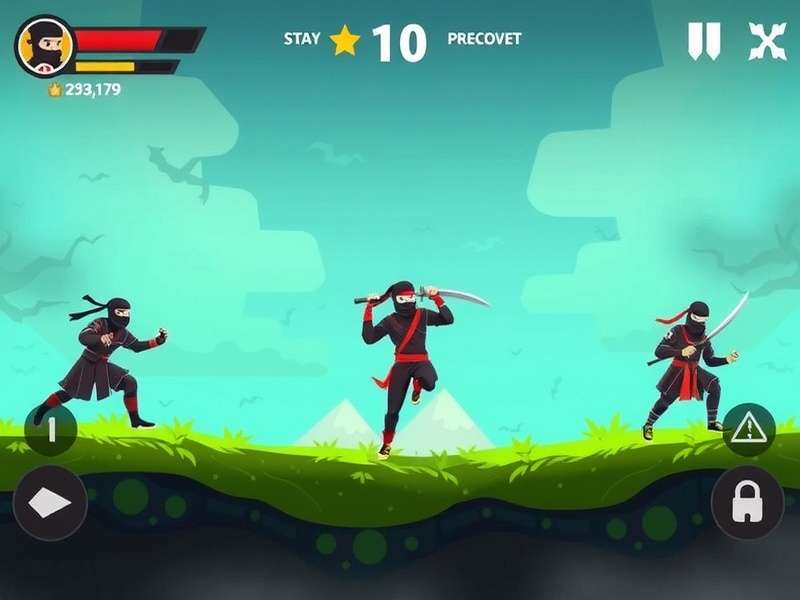
Playable Characters: Meet the Desi Ninja Team
1. Raj – The Agile Uttarakhand Ninja (Default Character)
Raj is the game’s default character, a young ninja from a small village in the foothills of the Himalayas. With his kurta-inspired ninja outfit, red turban, and trusty dagger, Raj is the quintessential desi hero—humble, brave, and always ready for adventure. His design is inspired by the traditional attire of Uttarakhand, with intricate embroidery on his kurta and a turban that represents his village’s culture.
Raj’s special ability is Agile Dash, which lets him double-jump and slide further than other characters. This ability is perfect for navigating tricky obstacle courses, like the narrow lanes of Old Delhi or the steep slopes of Darjeeling. When activated, Raj leaves a trail of red dust behind him, making his movements look dynamic and exciting.
Raj’s backstory resonates with many Indian players: he’s a village boy who became a ninja to protect his community from Zoravar’s evil forces. His family runs a small tea shop in the village, and he learned to be quick and agile by helping his father deliver tea to nearby villages. His dialogue is peppered with Hindi phrases like “Chalo, let’s do this!” and “Yeh toh asaan hai!” (This is easy!), adding to his relatable charm.
As you upgrade Raj, his outfit gets more elaborate—unlocking golden accents on his kurta, a feathered turban, and a more powerful dagger. By maxing out his upgrades, you unlock the “Himalayan Warrior” skin, which features a fur-lined jacket and snow boots, perfect for the game’s mountain levels.
2. Priya – The Stealthy Tamil Nadu Warrior Princess
Priya is a fan favorite, a fierce female ninja from Chennai with a lehenga-inspired outfit, silver bangles, and a bow and arrow. Her design is a blend of traditional Tamil attire and ninja elements—her lehenga is made of lightweight fabric for easy movement, and her bangles are actually shurikens (ninja stars) in disguise. She’s the daughter of a former ninja clan leader who was killed by Zoravar, and she’s on a mission to avenge her father.
Priya’s special ability is Stealth Mode, which makes her invisible to enemies for 7 seconds. This ability is perfect for sneaking past tough dacoit groups or avoiding boss attacks. When in stealth mode, Priya’s body turns translucent, and she leaves a trail of blue sparkles—making her look both mysterious and powerful.
Priya is a trailblazer for female representation in Indian mobile gaming, breaking the stereotype that action games are only for male players. Her backstory is empowering: she defied tradition to become a ninja, as her clan initially refused to train women. She proved her worth by defeating the clan’s best warrior in a duel, earning their respect and a place in the clan. Her dialogue includes Tamil phrases like “Vaa, let’s fight!” (Come, let’s fight!) and “Naan unna thoduvven!” (I’ll defeat you!), making her a hit among South Indian gamers.
Priya can be unlocked by completing level 7 on Medium difficulty or by purchasing her with 5000 Ninja Coins. Upgrading her unlocks new outfits, including a “Tamil Bride” skin (complete with a red lehenga and flower hair accessories) and a “Warrior Queen” skin (with golden armor and a more powerful bow).
3. Arjun – The Powerful Punjab Warrior
Arjun is a strong, imposing ninja from Amritsar, wearing a turban, a traditional kurta-pajama with a ninja vest, and carrying a massive sword. His design is a celebration of Sikh culture—his turban is tied in a traditional style, and his sword is inspired by the khanda, a symbol of Sikhism. He’s a former soldier who left the army to join the ninja clan after Zoravar destroyed his village.
Arjun’s special ability is Warrior’s Rage, which increases his attack damage by 75% for 12 seconds and makes him immune to stun effects. This ability is perfect for brute-force players who prefer to fight their way through levels rather than avoid enemies. When activated, Arjun’s eyes glow red, and his sword emits a fiery aura—making him look like a force to be reckoned with.
Arjun’s backstory is one of loyalty and courage: he joined the army to protect his country, but when Zoravar attacked his village and killed his family, he realized that the ninja clan was the only group capable of stopping the evil warlord. His dialogue includes Punjabi phrases like “Chak de phatte!” (Let’s go!) and “Tu haar jaayega!” (You’ll lose!), making him a hit among Punjabi gamers. He’s also known for his sense of humor, often cracking jokes about his love for sarson ka saag and makki ki roti.
Arjun can be unlocked by completing level 10 on Hard difficulty or by purchasing him with 7500 Ninja Coins. Upgrading him unlocks new outfits, including a “Sikh Warrior” skin (with a blue turban and silver armor) and a “Desi Hulk” skin (with increased muscle mass and a more powerful sword).
4. Meera – The Magical West Bengal Ninja
Meera is a mystical ninja from Kolkata, with a saree-inspired outfit, flower hair accessories, and a staff that channels magical energy. Her design is inspired by Bengali folklore—her saree is made of a lightweight, flowy fabric that allows for easy movement, and her staff is carved with symbols from Bengali mythology. She’s a former priestess who learned ninja skills to protect a magical gem that powers her village.
Meera’s special ability is Magical Aura, which creates a protective shield that deflects enemy attacks and collects all nearby coins and power-ups for 10 seconds. This ability is perfect for players who want to maximize their rewards and stay safe at the same time. When activated, Meera’s body is surrounded by a glowing green aura, and her staff emits sparkles—making her look like a goddess.
Meera’s backstory is intriguing: she was a priestess at a temple in Kolkata, tasked with protecting a magical gem that kept her village safe. When Zoravar stole the gem, she learned ninja skills to get it back, using her knowledge of Bengali magic to enhance her abilities. Her dialogue includes Bengali phrases like “Chalo, shuru koribo!” (Let’s start!) and “Amra jeetbo!” (We’ll win!), making her a hit among Bengali gamers. She’s also known for her calm and collected personality, often giving players words of wisdom during gameplay.
Meera is the hardest character to unlock—you need to complete all levels on Hard difficulty or purchase her with 10,000 Ninja Coins. Upgrading her unlocks new outfits, including a “Bengali Bride” skin (with a red saree and flower jewelry) and a “Goddess Durga” skin (with a golden saree and a trident instead of a staff).
5. Jignesh – The Witty Gujarat Ninja (Unlockable)
Jignesh is a fast-talking, witty ninja from Ahmedabad, with a dhoti-inspired outfit, a colorful turban, and a pair of dual daggers. His design is inspired by Gujarati culture—his dhoti is made of a bright, patterned fabric, and his turban is tied in a traditional Gujarati style. He’s a former street performer who joined the ninja clan after Zoravar destroyed his family’s business.
Jignesh’s special ability is Quick Reflexes, which slows down time for 5 seconds, giving you more time to react to obstacles and enemies. This ability is perfect for new players or those who struggle with fast-paced levels. When activated, the screen turns blue, and everything except Jignesh slows down—making it easy to dodge obstacles and attack enemies.
Jignesh’s backstory is lighthearted and fun: he was a street performer who entertained crowds with his acrobatic skills and jokes. When Zoravar’s minions destroyed his family’s textile shop, he joined the ninja clan to get revenge, using his acrobatic skills to become a formidable ninja. His dialogue is full of Gujarati phrases and jokes, like “Aa game toh mast che!” (This game is awesome!) and “Mara naam Jignesh, aur main sabse tez!” (My name is Jignesh, and I’m the fastest!).
Jignesh can be unlocked by completing the “Gujarat Challenge” event or by purchasing him with 6000 Ninja Coins. Upgrading him unlocks new outfits, including a “Gujarati Merchant” skin (with a white dhoti and a gold chain) and a “Acrobat” skin (with a colorful outfit and face paint).
Antagonists: The Villains You Love to Hate 😈
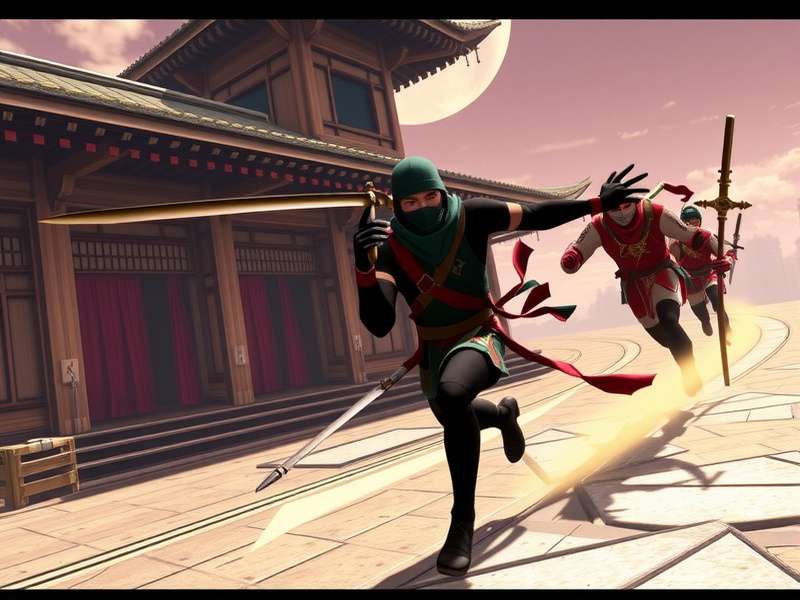
No great ninja game is complete without memorable villains, and Ninja Sprint Challenge delivers in spades. The game’s main antagonist is Zoravar, an evil warlord with a dark past and a thirst for power. Zoravar is inspired by Indian mythological villains like Ravana and Kansa, with a towering figure, a crown made of bones, and a staff that shoots dark magic. His design is menacing yet charismatic, with a long black beard, red eyes, and a cloak made of animal skins.
Zoravar’s backstory is tragic and compelling: he was once a member of the ninja clan, but he was exiled after being falsely accused of stealing a magical gem. While in exile, he discovered dark magic and gathered an army of villains to take revenge on the clan. His motive isn’t just power—it’s justice (or what he sees as justice), making him a complex and relatable villain.
Zoravar is joined by a cast of minions, each with unique abilities and designs inspired by Indian culture:
- Dacoits: The most common enemies, these bandits are inspired by real-life dacoits from rural India. They carry swords and axes, attacking you on sight. They’re easy to defeat with a quick tap, but they often come in groups, making them tricky to avoid. Their outfits are ragged and dirty, with turbans and bandanas covering their faces.
- Evil Monks: These mystical enemies are inspired by rogue monks from Indian mythology. They cast spells that slow you down or create obstacles, like walls of fire or pillars of stone. You’ll need to dodge their spells while attacking them—timing is key! Their outfits are red and gold, with long beards and bald heads.
- Mythical Creatures: From fire-breathing nagas (snake-like creatures) to flying garudas (eagle-like creatures), these enemies are inspired by Indian mythology. They’re the toughest in the game, requiring multiple attacks to defeat. Each mythical creature has a unique attack pattern—for example, nagas spit fireballs, while garudas dive-bomb you from above.
- Regional Bosses: Each world ends with a powerful boss fight against a villain inspired by the region’s culture. For example, the North India world ends with a fight against a “Rajasthani Warlord” who uses a sword and shield, while the South India world ends with a fight against a “Tamil Sorceress” who uses black magic. These bosses have unique attack patterns and require strategy to defeat—you’ll need to use power-ups and your character’s special ability to win.
NPCs: Supporting Characters That Add Depth 🤝
Ninja Sprint Challenge also features a cast of non-playable characters (NPCs) who help you on your quest. These characters are inspired by Indian culture and add depth to the game’s storyline, making your journey feel more personal and immersive. Here are some of the most notable NPCs:
- Guru Dev: The wise old leader of the ninja clan, inspired by Indian gurus. He gives you quests, teaches you new skills, and provides backstory about the game’s world. He’s often seen meditating in the clan’s temple, and his dialogue is full of wise sayings and Indian philosophy.
- Rani: A young village girl who helps you navigate the Kerala backwaters. She’s knowledgeable about the region’s geography and helps you avoid hidden obstacles like whirlpools and crocodiles. Her dialogue is full of Malayalam phrases and facts about Kerala’s culture.
- Bhola: A street vendor from Delhi who sells you power-ups and upgrades. He’s witty and charismatic, often cracking jokes about Delhi’s traffic and food. He gives you discounts if you complete his side quests, like collecting a certain number of coins or defeating a certain number of enemies.
- Singh: A former soldier who helps you train for boss fights. He’s tough but fair, pushing you to become a better ninja. He gives you tips on how to defeat each boss, based on his experience in the army.
These NPCs aren’t just there to advance the storyline—they also add personality to the game, making it feel like you’re on a real journey through India with a cast of memorable characters.
Storyline: The Quest to Save India from Zoravar’s Wrath 🗺️
Ninja Sprint Challenge isn’t just about running and fighting—it has a compelling storyline that draws players in, blending Indian mythology, folklore, and modern action. The game’s narrative was written by a team of Indian writers who drew inspiration from ancient Indian texts like the Mahabharata and Ramayana, as well as regional folklore from across India. The result is a storyline that’s both epic and relatable, with themes of courage, loyalty, and redemption that resonate with Indian players.
The game is set in a fictional version of India where ancient ninja clans protect the country from evil forces. For centuries, the “Desi Ninja Clan” has guarded the “Gem of Unity,” a magical artifact that keeps India’s diverse cultures and regions united. The gem is powered by the collective goodwill of the Indian people, and it’s stored in a secret temple in the Himalayas. But when the evil warlord Zoravar steals the gem, he uses its power to unleash chaos across India, dividing the country and spreading darkness.
You play as one of the last remaining ninjas of the Desi Ninja Clan, tasked with retrieving the Gem of Unity and defeating Zoravar. Your journey takes you across six distinct regions of India—North India, South India, East India, West India, Northeast India, and Central India—as you chase Zoravar and his minions, battle powerful bosses, and uncover the truth about Zoravar’s betrayal.
Chapter 1: The Theft of the Gem of Unity
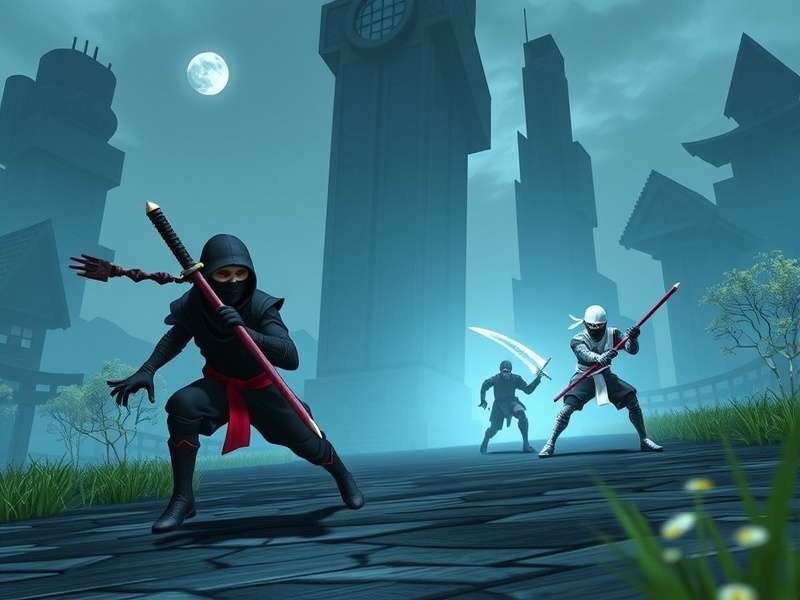
The game begins with a cinematic cutscene (available in all 11 regional languages) showing the Desi Ninja Clan’s temple in the Himalayas. The clan’s leader, Guru Dev, is explaining the importance of the Gem of Unity to the young ninjas (including your character) when Zoravar and his minions attack. Zoravar, once a respected member of the clan, betrays his former allies, killing several ninjas and stealing the gem. As the temple burns, Guru Dev sends you on a mission to retrieve the gem and defeat Zoravar, telling you: “The fate of India lies in your hands. You must unite the people and restore the gem’s power.”
The first few levels are set in the Himalayan foothills, where you chase Zoravar’s minions and learn the basics of gameplay. Along the way, you meet a village elder who tells you that Zoravar is heading south, towards North India, where he plans to use the gem’s power to control the region’s rivers and cause floods. This sets you on your journey, as you race to stop Zoravar before he can carry out his plan.
Chapter 1 ends with a mini-boss fight against Zoravar’s right-hand man, a dacoit leader named Bhairav. Bhairav is a towering figure with a scarred face and a massive axe, and he’s tasked with slowing you down while Zoravar escapes to North India. To defeat Bhairav, you’ll need to use your character’s special ability and avoid his axe attacks, which can one-hit kill you if you’re not careful. After defeating Bhairav, you find a note that reveals Zoravar’s next destination: Jaipur.
Chapter 2: The Journey Across North India
Chapter 2 takes you through the vibrant region of North India, including levels set in Jaipur, Delhi, and Agra. Your goal is to track down Zoravar, who is using the Gem of Unity to control the region’s rulers and spread chaos. Along the way, you meet a cast of supporting characters who help you on your quest:
- Rajput Warrior: A brave warrior from Jaipur who helps you infiltrate Zoravar’s hideout in Amber Fort. He tells you that Zoravar has captured the Maharaja of Jaipur and is using him to control the city.
- Street Vendor: A witty vendor from Delhi who gives you information about Zoravar’s movements. He tells you that Zoravar is heading to Agra, where he plans to steal the Taj Mahal’s magical energy to power the Gem of Unity.
- Priestess: A holy woman from Agra who helps you unlock a secret passage to Zoravar’s hideout. She tells you that the Taj Mahal is built on a sacred site, and its energy can amplify the gem’s power if Zoravar succeeds in stealing it.
Chapter 2’s levels are some of the most visually stunning in the game, with detailed recreations of Jaipur’s Amber Fort, Delhi’s Chandni Chowk, and Agra’s Taj Mahal. The Jaipur Fort level features pink sandstone architecture and cannonball obstacles, while the Delhi Bazaar level is filled with colorful stalls, street vendors, and cycle rickshaws. The Agra level takes you through the Taj Mahal’s gardens and inside the mausoleum, where you battle Zoravar’s minions amid the marble columns and intricate carvings.
The chapter ends with a boss fight against Zoravar’s lieutenant, a sorceress named Maya. Maya is a powerful magician who uses black magic to create illusions and summon demons. To defeat her, you’ll need to distinguish between real and fake obstacles and avoid her fireball attacks. After defeating Maya, you learn that Zoravar has headed to South India, where he plans to use the gem’s power to control the region’s temples and gain the loyalty of the people.
Chapter 3: The Battle for South India
Chapter 3 takes you to the lush region of South India, including levels set in Chennai, Bangalore, and Kerala. Zoravar has allied himself with a group of evil monks who control the region’s temples, and he’s using the Gem of Unity to brainwash the people into following him. Your goal is to free the temples, defeat the evil monks, and stop Zoravar from gaining more power.
Along the way, you meet Priya (who later becomes a playable character), a young ninja from Chennai whose father was killed by Zoravar. Priya joins your quest, helping you navigate the region’s temples and backwaters. She tells you that Zoravar is planning to perform a ritual at the Meenakshi Temple in Madurai, which will allow him to absorb the temple’s magical energy and become invincible.
Chapter 3’s levels are inspired by South Indian culture, with detailed recreations of Chennai’s Marina Beach, Bangalore’s IT parks, and Kerala’s backwaters. The Marina Beach level features sand dunes, beach umbrellas, and waves that can knock you off course, while the Kerala Backwaters level has houseboats, water hyacinths, and hidden whirlpools. The Meenakshi Temple level is the most visually stunning, with intricate carvings, colorful gopurams (temple towers), and magical energy that lights up the screen.
The chapter ends with a boss fight against the leader of the evil monks, a powerful magician named Raghavan. Raghavan uses his staff to summon fireballs, create walls of stone, and teleport around the arena. To defeat him, you’ll need to use your character’s special ability and dodge his attacks while attacking his staff, which is the source of his power. After defeating Raghavan, you free the Meenakshi Temple and learn that Zoravar has headed to East India, where he plans to steal the magical energy of the Ganges River.
Chapter 4: The Quest to Protect the Ganges
Chapter 4 takes you to East India, including levels set in Kolkata, Varanasi, and Darjeeling. Zoravar is planning to poison the Ganges River with dark magic, which will kill millions of people and give him control over the region. Your goal is to stop him before he can carry out his plan, while also protecting the river’s sacred sites.
Along the way, you meet Meera (who later becomes a playable character), a priestess from Kolkata who is tasked with protecting the Ganges. Meera joins your quest, using her magical abilities to heal you and help you navigate the river’s dangerous currents. She tells you that Zoravar’s hideout is in Varanasi, where he’s performing a ritual to poison the river.
Chapter 4’s levels are inspired by East Indian culture, with detailed recreations of Kolkata’s Howrah Bridge, Varanasi’s ghats, and Darjeeling’s tea plantations. The Varanasi Ghats level features pilgrims, boats, and floating flower offerings, while the Darjeeling Hills level has tea plantations, stone walls, and grazing yaks. The Howrah Bridge level is the